


Power steering fluid: which to use and how to top it up
Power steering fluid carries the pressure from the hydraulic pump to the steering rack, so the steering wheel turns without effort. When the level drops or the fluid ages, you feel the steering get heavier when manoeuvring, hear a whine when turning to full lock or see a patch of fluid under the car. Before topping up anything, always check the vehicle handbook for the type of fluid specified: not every system takes the same fluid, and adding the wrong one can damage the pump. This guide explains the signs, the step-by-step for checking the level safely and when the problem is a job for a garage.
What power steering fluid does
In cars with hydraulic power steering, an engine-driven pump pressurises this fluid and sends it to the steering rack. That pressure is what makes the steering wheel turn with little effort, especially at low speed and when parking. The system is sealed: the fluid isn't used up as you drive, but it loses its properties with heat and time, and the level can drop if there is a leak in a seal, a hose or the pump itself.
Not every car works this way. Many recent models use electric power steering (EPS), with an electric motor instead of a hydraulic pump, and no fluid at all to check. If you can't find a steering reservoir in your car, that's probably the case.
Signs it's low or old
- Heavy steering, especially when manoeuvring or parking, when the pump works hardest.
- Whining or noise when turning the wheel to full lock, on one side or both.
- Steering that "pulls" or vibrates in a way you didn't notice before.
- Dark or cloudy fluid in the reservoir, instead of clear or lightly tinted.
- A patch or drip on the ground, under the engine area, after the car has been parked.
None of these signs on its own guarantees a diagnosis, but any one of them is a reason to check the level before you keep driving.
How to check and top up (step by step)
- Park on level ground, with the engine cold and switched off for at least a few minutes. When hot, the level can be misleading.
- Find the power steering reservoir in the engine bay. It usually has a cap with a steering wheel symbol.
- Check the level against the MIN/MAX marks on the reservoir itself (or on the dipstick, depending on the model).
- Look at the colour of the fluid. If it's dark or cloudy rather than clear, the problem may not just be the level; consider talking to a mechanic about changing the fluid.
- Check the vehicle handbook for the type of fluid your system takes, before buying or adding anything.
- Top up a little at a time, checking the level after each addition, until it's close to MAX without going over.
- Don't mix different types without confirming they are compatible. In the sealed steering system, the wrong fluid doesn't just "dilute" without consequences.
Which fluid to use
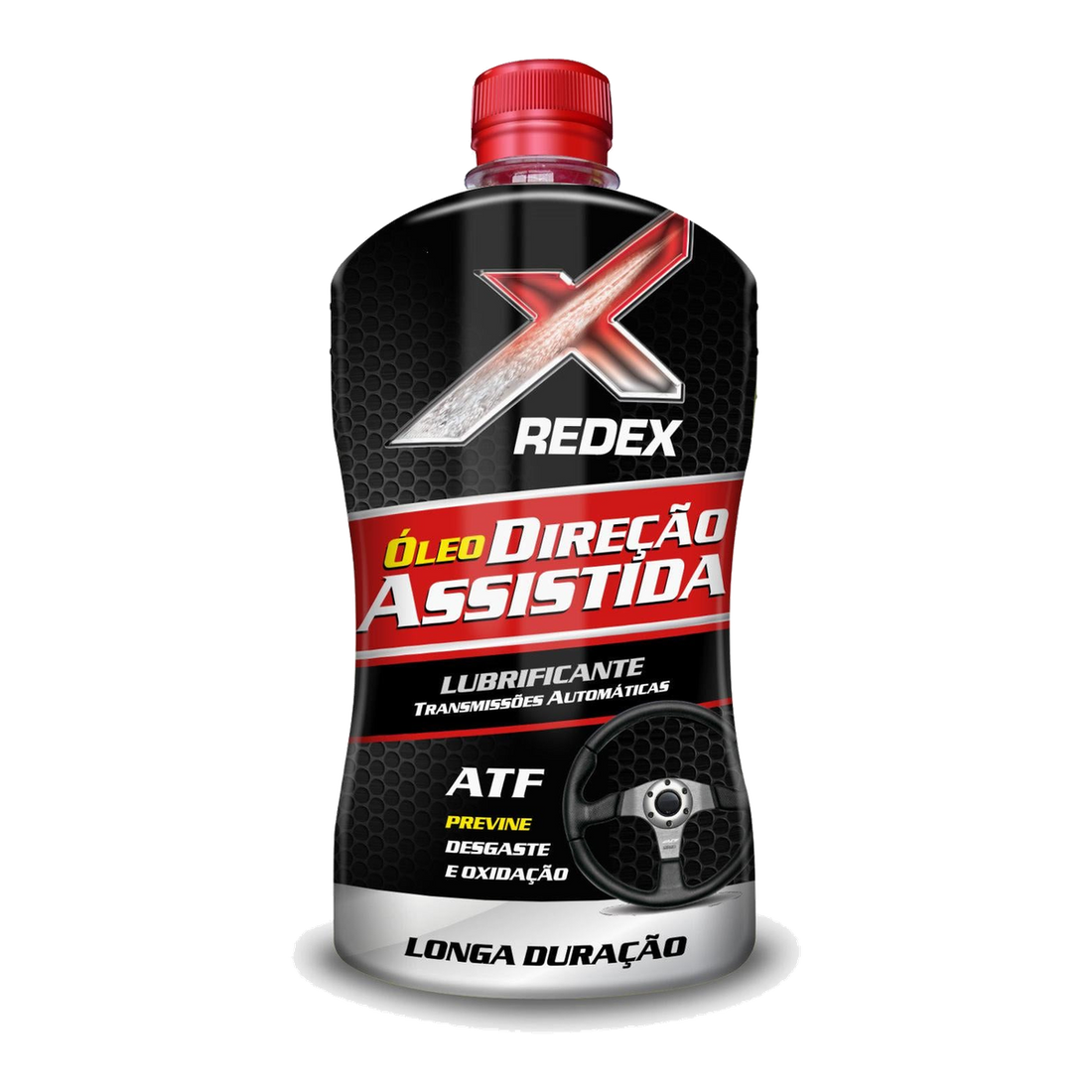
The right answer is always in your car's handbook, never in a general rule: power steering systems take different types of fluid depending on the make and model. Redex makes a 500 ml power steering fluid for this use; check the vehicle handbook to confirm it's the one specified for your system before buying.
When to see a mechanic
Topping up fixes a one-off low level. It doesn't fix a leak: if the level drops again a few weeks after topping up, a seal, a hose or the pump itself is losing fluid, and that's a job for a garage. The same applies if the noise or the heavy steering doesn't go away once the level is corrected, if a warning light comes on on the dashboard, or if you're not sure which type of fluid is right for your car; in that case, it's safer to ask than to risk the pump with the wrong fluid.
Frequently asked questions
Which power steering fluid should I use in my car?
It depends on your car's system; there is no universal fluid for every model. The only reliable source is the vehicle handbook or the manufacturer's technical data. Using the wrong type, even if it seems to work at first, can wear the pump over time.
How do I know if my car has hydraulic or electric power steering?
If you find a reservoir with fluid and a steering wheel symbol in the engine bay, it's hydraulic. If you can't find any steering reservoir, your car most likely has electric power steering (EPS), common on newer cars, with no fluid to check or top up.
Can I mix two different power steering fluids?
It isn't recommended without first confirming they are compatible. Power steering fluids are not all the same, and mixing different types can compromise how the system works. If in doubt, check the handbook or ask a professional before adding any.
What happens if I drive with low power steering fluid?
The most immediate symptom is heavier steering, especially when manoeuvring. Over time, the pump runs without the lubrication and cooling it should have, which speeds up wear. A level that keeps dropping is usually a sign of a leak, not just normal consumption; it's worth finding the cause, not just topping up the level.
How do I top up power steering fluid at home?
With the engine cold, find the reservoir in the engine bay, check the level between the MIN/MAX marks and top up a little at a time, always checking the vehicle handbook for the right type of fluid before buying or adding any. The full step-by-step guide is further up in this article.


